As part of i-Sentra’s commitment towards the UN Sustainable Development Goals 11 (
sustainable cities & communities), they have made several significant infrastructure
projects in Desa Kemantren, East Java. This initiative focuses on enhancing transport,
preserving the village’s cultural heritage, and improving the accessibility to clean water.
The villagers of Kemantren Village hold deep spiritual and cultural values, being home to
the sacred memorial of Syekh Maulana. Known as the founding figure of the village and a
respected religious leader, this memorial is one of the most important landmarks in
Kemantren’s area. Frequently used as an area for cultural gatherings, including pengajian
(religious study meetings) where villagers gather to learn about religion, it is considered
as a sacred place by the local community.
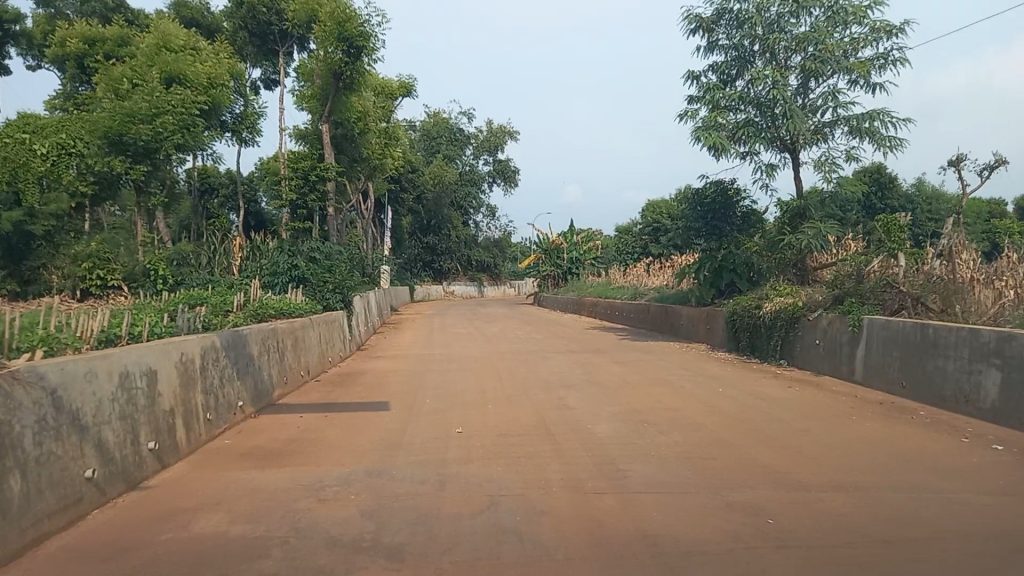
Access to this sacred site was limited and difficult, where narrow, unpaved, and muddy
routes gave many villagers difficulty to reach the site safely. To improve access to this
important site, i-Sentra facilitated the construction of a new road, allowing easier access
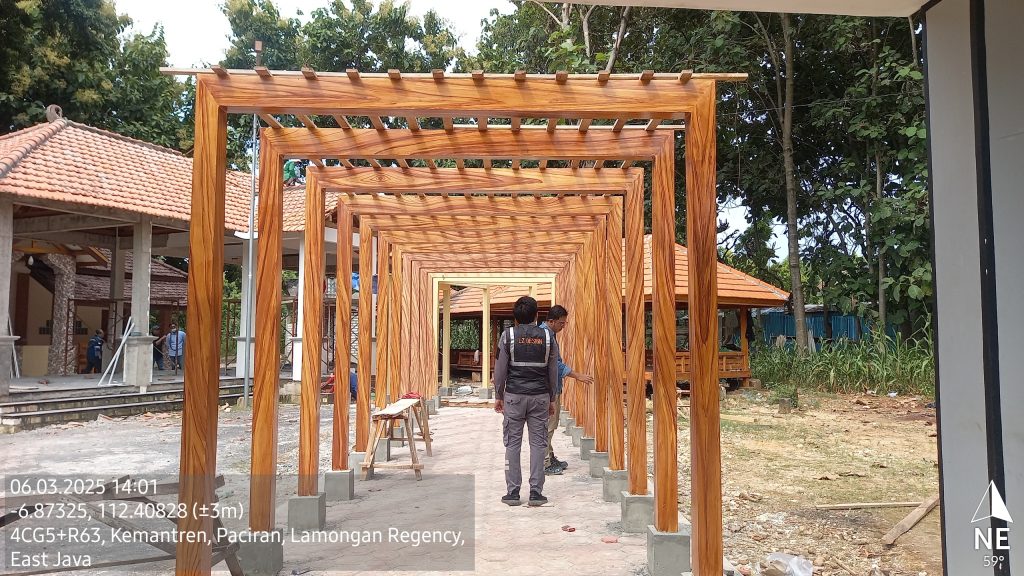
towards the tomb. An additional investment was allocated for further renovation and
expansion of the memorial’s infrastructure, resulting in several new premises to further
benefit the villagers. This ensures that the structure is preserved and able to support its
role as a cultural and religious hub for future generations to come.
Another focus of this project is the clean water access. Like many areas in Lamongan, the
residents of Kemantren village are not able to access groundwater, due to it being brackish
or contaminated. The villagers rely on rainwater collection or purchasing clean water from
external sources, a costly solution for lower-income families. Water scarcity becomes
worse in dry seasons, affecting daily life, hygiene, and health.
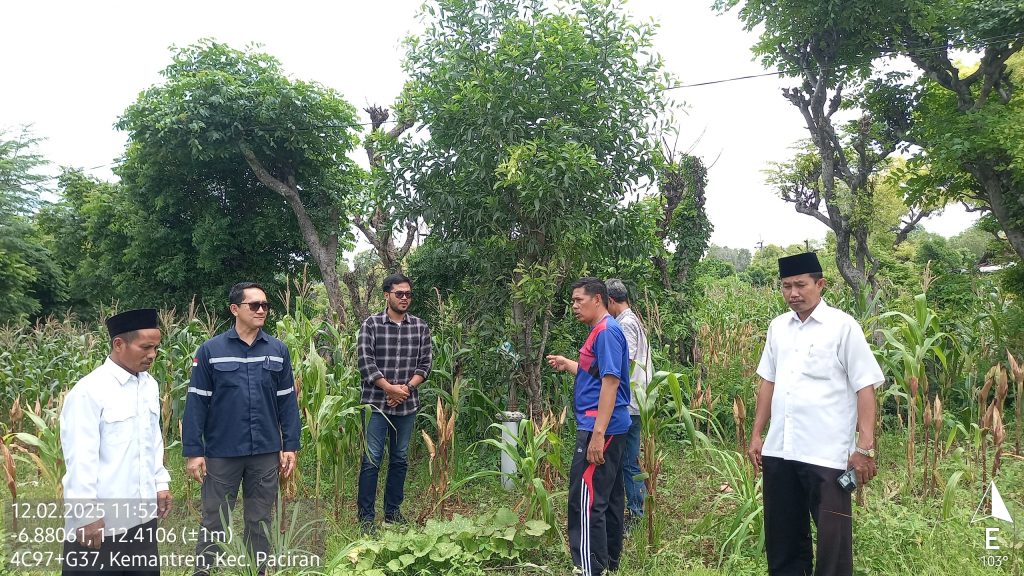
i-Sentra sought out to fix this problem by building a deep well and two reservoirs to allow
villagers access to water. One of these reservoirs was rebuilt from an older,
underperforming well to serve residents in the southern part of the village, where access
was really limited. This initiative allowed i-Sentra to provide villagers with a reliable source
of clean, drinkable water, changing the lives of over 400 individuals, over 100 families,
and for the future generations to come.